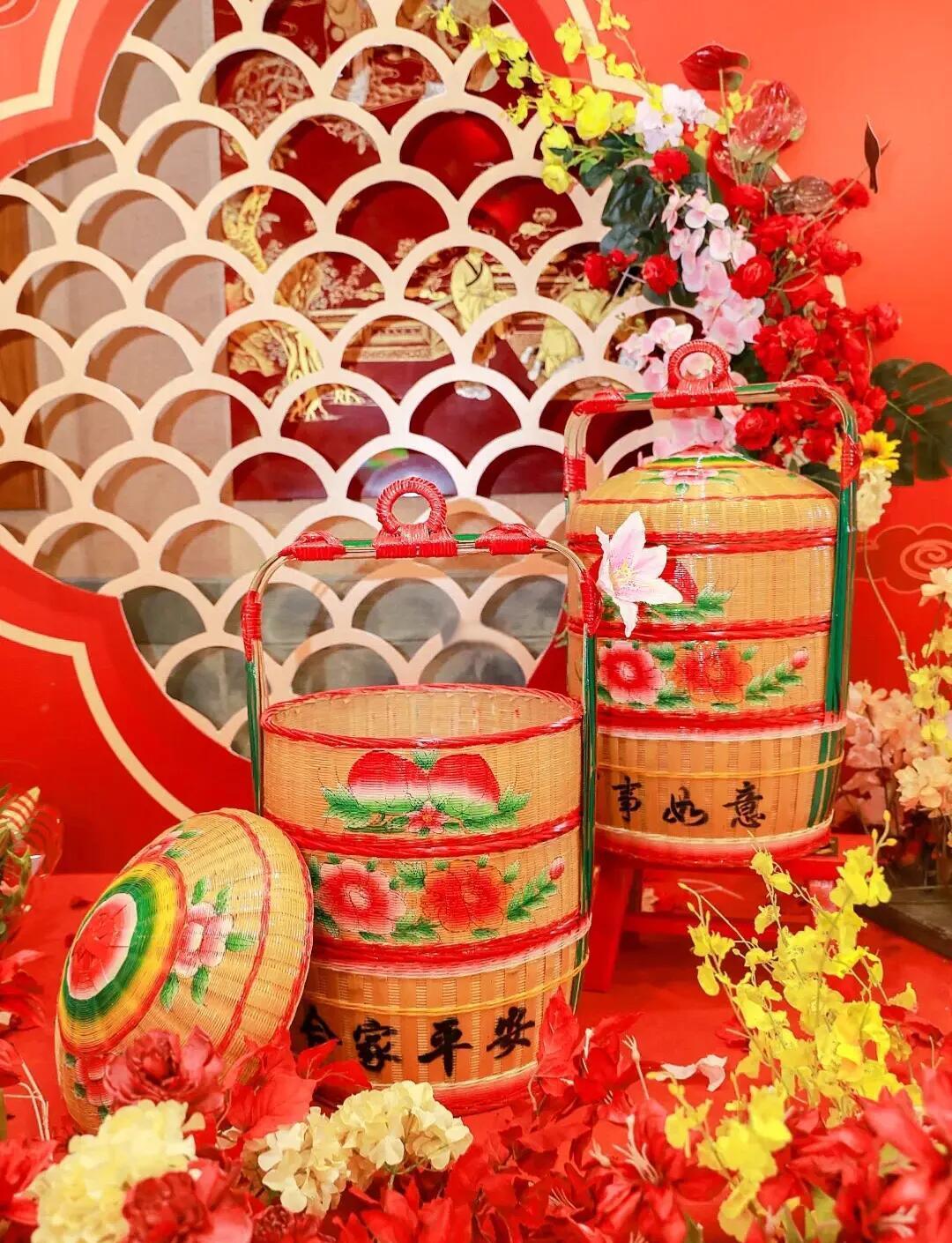
“出花园” 是广东潮汕地区独有的成人礼习俗,专为年满 15 虚岁的少男少女举办,寓意孩子已走出童年的 “花园”,正式步入成年。仪式通常在农历七月初七(乞巧节)或孩子的生日当天举行,核心环节是祭拜 “公婆母”—— 潮汕民间信仰中护佑孩童的神祇,感谢其十五年来的庇佑,此后孩子便不再属于公婆母的 “花园” 管辖。仪式中孩子要身穿新衣、脚踩红木屐,吃下一碗包含鸡内脏、猪肠、葱蒜等十二样食材的 “成人饭”,每样食材都有吉祥寓意,如葱象征聪明、蒜象征会算、鸡心象征有心志。
“Coming Out of the Garden” is a unique coming-of-age ritual in the Chaoshan region of Guangdong Province, held exclusively for boys and girls reaching the nominal age of fifteen. It symbolizes that the child has stepped out of the “garden” of childhood and formally entered adulthood. The ceremony is usually held on the 7th day of the 7th lunar month (Qixi Festival) or on the child’s birthday. The core 环节 involves worshipping “Gongpo Mu”—the deity protecting children in Chaoshan folk belief—thanking her for fifteen years of blessing, after which the child is no longer under the jurisdiction of Gongpo Mu’s “garden”. During the ritual, the child wears new clothes and red wooden clogs, and eats a bowl of “adulthood rice” containing twelve ingredients such as chicken offal, pork intestines, scallions and garlic, each carrying auspicious meaning—scallions symbolize intelligence, garlic symbolizes financial acumen, and chicken heart symbolizes determination.
与全国通行的冠礼、笄礼不同,”出花园” 没有森严的等级门槛,无论贫富之家都为孩子操办,是潮汕民间最具普遍性的人生礼仪。仪式中最具特色的是 “咬鸡头” 环节 —— 男孩要咬一口公鸡头,寓意出人头地、独占鳌头;女孩则咬鸡脚,寓意善于持家、脚踏实地。整个仪式将儒家成人礼的精神内核与潮汕本土的民间信仰、饮食习俗融为一体,是岭南地区保存最完整的原生成人礼之一,承载着潮汕人对子女成年的郑重期许与家族代际传承的文化记忆。
Different from the nationwide capping ceremony for men and hair-pinning ceremony for women, “Coming Out of the Garden” has no rigid class threshold; families of all means hold it for their children, making it the most universal life-cycle ritual in Chaoshan folk culture. The most distinctive 环节 is “biting the chicken head”—boys take a bite of a rooster’s head, symbolizing rising above others and taking the lead; girls bite chicken feet, symbolizing skill in household management and being down-to-earth. The entire ritual integrates the spiritual core of Confucian coming-of-age ceremonies with Chaoshan local folk beliefs and dietary customs. It is one of the most completely preserved native coming-of-age rituals in the Lingnan region, carrying the solemn expectations of Chaoshan people for their children’s adulthood and the cultural memory of intergenerational family inheritance.