米阔鲁节是内蒙古呼伦贝尔鄂温克族独有的传统牧业节庆,主要流传于陈巴尔虎旗、鄂温克旗的偏远鄂温克牧村,区别于大众熟知的蒙古族那达慕等草原盛会,它是鄂温克牧民一年一度的庆丰收、祭神灵、贺幼畜成长的集体仪式,至今已有数百年传承历史。每年农历五月下旬,草原牧草丰茂、牲畜肥壮的时节,各村寨牧民都会自发聚集在一起,举办盛大的庆典活动,核心主旨是庆贺牧业丰收、感恩天地与火神馈赠、祝福幼畜平安成长,祈求来年水草丰美、人畜两旺。
The Mikulou Festival is a unique traditional animal husbandry festival of the Ewenki people in Hulunbuir, Inner Mongolia, mainly prevalent in remote Ewenki pastoral villages of Chen Barag Banner and Ewenki Banner. Different from well-known grassland festivals such as the Mongolian Nadam, it is an annual collective ceremony for Ewenki herders to celebrate harvest, worship gods and congratulate the growth of young livestock, with a heritage history of hundreds of years. In late May of the lunar calendar, when grassland pastures are lush and livestock are fat and strong, herders from each village gather spontaneously to hold a grand celebration. Its core purpose is to celebrate the harvest of animal husbandry, thank heaven, earth and the fire god for their gifts, bless the safe growth of young livestock, and pray for lush pastures and prosperity of both people and animals in the coming year.
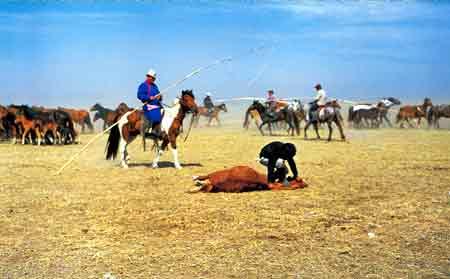
米阔鲁节的仪式流程极具草原游牧文化特色,由族内德高望重的长者主持,首先举行祭祀敖包与火神的传统仪式,敬献奶酒、手把肉与各类奶制品,率众行叩拜礼祈福。随后还会举行套马、驯马、摔跤、赛马等传统竞技活动,其中最具民族特色的是 “幼畜打烙印” 环节,牧民们会在新生的马驹、牛犊身上烙上专属的家族印记,寓意牲畜平安成长、家族世代兴旺。仪式结束后,牧民们围坐在一起共享草原盛宴,举杯对歌,热闹非凡。随着现代牧业生产方式的逐步转变,如今仅少数偏远的鄂温克牧村还完整保留着传统米阔鲁节的全部流程,外界对其了解十分有限,是北方草原民俗中极为小众的活态文化遗存。
The ritual process of the Mikulou Festival has strong grassland nomadic cultural characteristics. Presided over by respected elders of the clan, it starts with the traditional ritual of offering sacrifices to Ovoo and the fire god, presenting milk wine, boiled mutton and various dairy products, and leading the crowd to kowtow for blessings. Afterwards, traditional competitive activities such as horse roping, horse training, wrestling and horse racing are held. The most distinctive ethnic feature is the “young livestock branding” session, where herders brand exclusive family marks on newborn foals and calves, symbolizing the safe growth of livestock and the lasting prosperity of the family. After the ceremony, herders sit together to share a grassland feast, toasting and singing in antiphon, creating a lively atmosphere. With the gradual transformation of modern animal husbandry production methods, only a few remote Ewenki pastoral villages still fully retain the complete process of the traditional Mikulou Festival. The outside world has very limited understanding of it, making it a very niche living cultural heritage among northern grassland folk customs.