特懋克节是云南西双版纳基诺族独有的传统新年节庆,“特懋克” 在基诺语中意为 “盛大的打铁节”,是基诺族一年中最隆重的岁时盛典,主要流传于景洪市基诺山乡的基诺族村寨,通常在公历二月六日至八日举行。区别于大众熟知的傣族泼水节、彝族火把节等云南知名节庆,特懋克节起源于基诺族的铁器崇拜与农耕祭祀,核心是纪念铁匠祖师、庆贺铁器打造完成,祈求来年农耕顺遂、村寨平安、人丁兴旺。
The Temaoke Festival is a unique traditional New Year festival of the Jino people in Xishuangbanna, Yunnan. “Temaoke” means “grand iron-smithing festival” in the Jino language, and is the most solemn annual grand ceremony of the Jino people, mainly prevalent in Jino villages in Jinuoshan Township, Jinghong City, usually held from February 6th to 8th in the Gregorian calendar. Different from well-known Yunnan festivals such as the Dai Water-Splashing Festival and the Yi Torch Festival, the Temaoke Festival originated from the iron worship and farming sacrifice of the Jino people. Its core is to commemorate the founder of blacksmithing, celebrate the completion of iron tool making, and pray for smooth farming, village peace and population growth in the coming year.
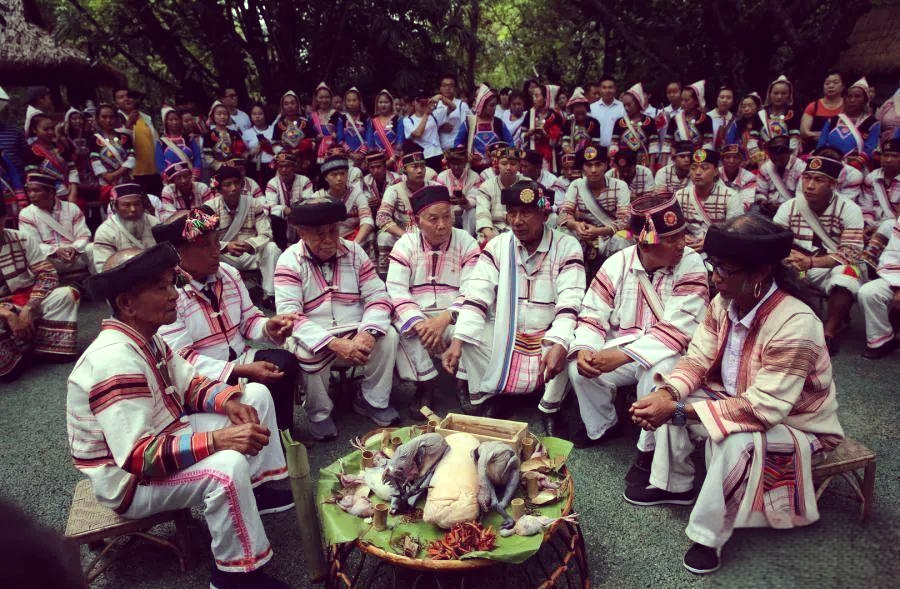
特懋克节的仪式流程保留着浓郁的原始山地农耕文化特色,节日当天各村寨会举行隆重的祭铁匠神仪式,由族内长老主持,敬献祭品,率众祈年。仪式上还会举行象征性的打铁表演,重现传统铁器打造的过程,随后还有跳大鼓舞、对山歌、竹筒饭宴饮等传统活动,全族男女老少全员参与。随着基诺族传统生产生活方式的变迁,如今仅少数核心村寨还完整保留着特懋克节的传统仪式流程,外界对其了解十分有限,是云南少数民族民俗中极为小众的活态文化遗存。
The ritual process of the Temaoke Festival retains strong primitive mountain farming cultural characteristics. On the day of the festival, each village holds a grand ceremony of worshipping the iron-smith god, presided over by clan elders, who offer sacrifices and lead the crowd to pray for the new year. Symbolic iron-smithing performances are also held during the ceremony, reproducing the process of traditional iron tool making. Afterwards, there are traditional activities such as big drum dancing, antiphonal folk singing and bamboo tube rice feasts, with all men, women and children of the clan participating. With the changes of the traditional production and lifestyle of the Jino people, only a few core villages still fully retain the traditional ritual process of the Temaoke Festival today. The outside world has very limited understanding of it, making it a very niche living cultural heritage among the ethnic folk customs of Yunnan.