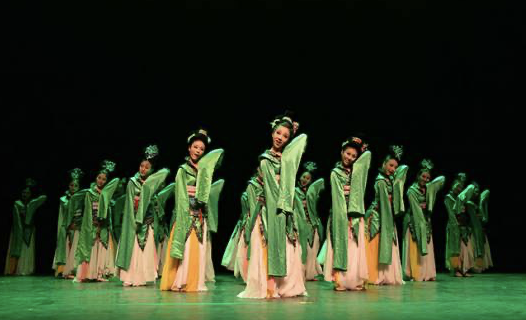
踏歌是一种非常古老的中国民间歌舞形式。参与者通常手拉手或相互搭肩,随着音乐和歌声一起踏地、摆动身体。它并不需要复杂的舞台,也没有严格的观众与表演者之分,普通人就可以参与其中。
Ta Ge is an ancient form of Chinese folk singing and dancing. Participants traditionally held hands or placed their arms around one another’s shoulders while stepping rhythmically and moving together with songs and music. It required neither an elaborate stage nor a strict division between performers and spectators, allowing ordinary people to participate directly.
这种习俗在中国古代文学和绘画中都有留下痕迹。它最重要的意义并不是“跳得有多漂亮”,而是通过共同的节奏让一群陌生人变成一个整体。对于古代村落和社区来说,这种集体歌舞可能既是娱乐,也是人们建立联系、庆祝节日和表达共同情感的一种方式。
The significance of Ta Ge was not simply how beautiful the dancing looked. Through a shared rhythm, a group of individuals could become a community. In ancient villages and communities, such collective singing and dancing may have served not only as entertainment but also as a way to build social connections, celebrate festivals, and express shared emotions.