
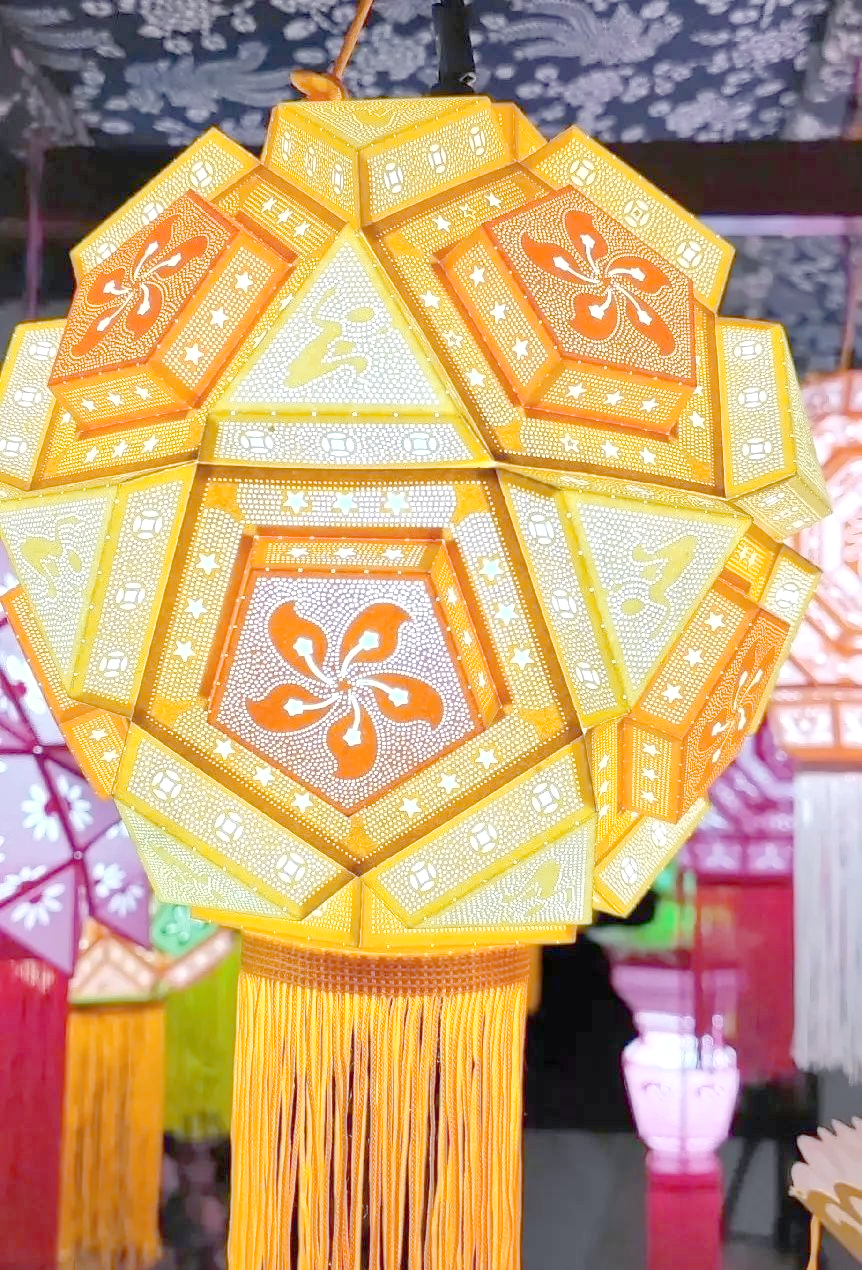
仙居针刺无骨花灯是源自唐代的珍稀传统花灯技艺,兴盛于明清,是浙江仙居独有的国家级非物质文化遗产,相较于大众熟知的宫灯、走马灯,它的知名度极低,是藏于江南山野的古韵珍宝。
The Xianju boneless pricked lamp is a rare traditional lantern craft originating from the Tang Dynasty and flourishing in the Ming and Qing dynasties. It is a national intangible cultural heritage unique to Xianju, Zhejiang Province. Compared with well-known palace lanterns and revolving lanterns, it is little-known and an ancient treasure hidden in the mountains and rivers of Jiangnan.
该花灯最核心的特色为“无骨成型”,全程不使用竹篾、铁丝等骨架支撑,仅依靠特制纸片的拼接、折叠、粘连塑形。匠人需在薄如蝉翼的灯纸上手工针刺万千细密纹路,形成花鸟、山水、纹样等精美图案,针刺密度最高可达每平方厘米数十针,工艺极致精细繁琐。
Its core feature is “boneless forming”. No bamboo strips, iron wires or other skeletons are used in the whole process, and the shape is formed only by splicing, folding and adhering special paper sheets. Craftsmen need to prick thousands of dense lines manually on the extremely thin lamp paper to form exquisite patterns of flowers, birds, landscapes and decorative veins, with the highest pricking density reaching dozens of stitches per square centimeter, reflecting extremely delicate and complicated craftsmanship.
古时这类花灯多用于元宵祈福、宗族庆典,点亮后灯光透过细密针孔,光影错落、流光氤氲,极具东方诗意。如今这项古老技艺传承人稀少,完整的古法制作工序濒临失传,是亟待保护的小众传统工艺文物,承载着江南地区千年的灯彩文化审美。
In ancient times, such lanterns were mostly used for Lantern Festival blessings and clan celebrations. When lit, the light passes through the dense pinholes, creating layered and hazy light and shadow with unique oriental poetry. Nowadays, there are few inheritors of this ancient craft, and the complete ancient production process is on the verge of being lost. As a niche traditional craft cultural relic in urgent need of protection, it carries the thousand-year aesthetic of lantern culture in Jiangnan.