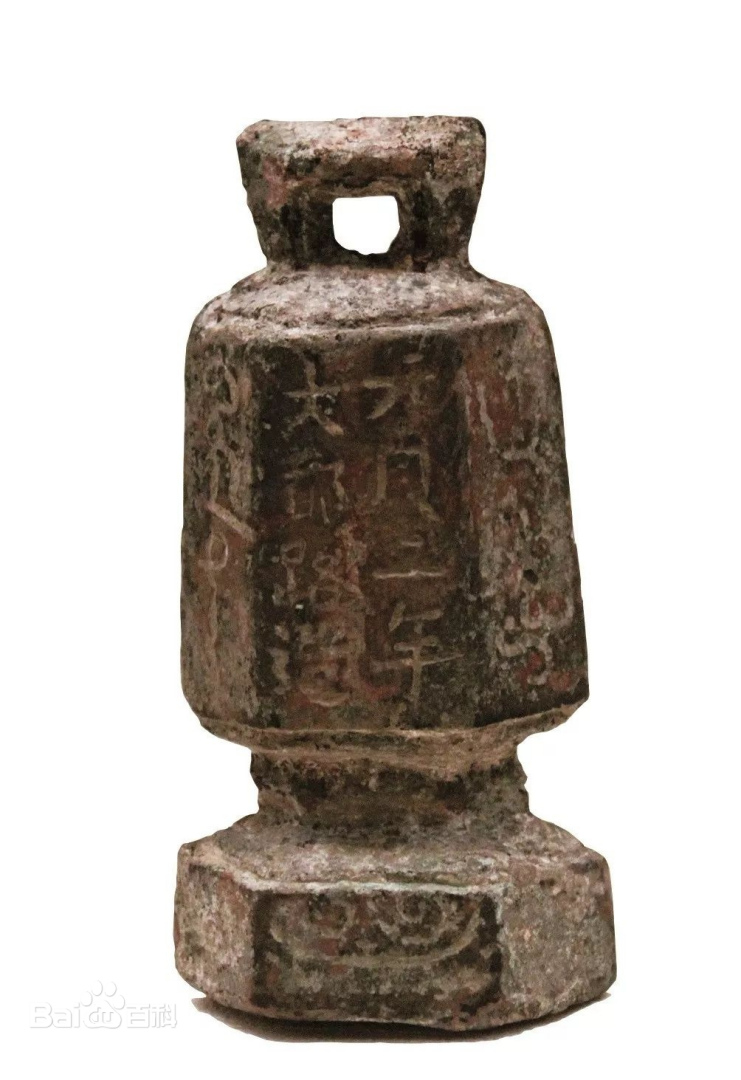
八思巴文铜权是元代官方颁行的标准度量衡器,属于古代铜权中极为小众的民族文字品类,区别于大众熟知的秦汉铁权、宋代铜权,它以青铜铸造,权身多呈六面塔形或圆形,除了铸有汉文纪年、铸地与重量铭文外,还阴刻八思巴文官方铭文,是元代大一统王朝度量衡制度与多民族文化融合的实物见证。这类铜权铸造规范,重量精准,是元代商业贸易与官营手工业体系运转的核心标准器。
The Phags-pa script bronze weight was a standard metrological instrument officially issued by the Yuan Dynasty, and a very niche ethnic script category among ancient bronze weights. Different from well-known Qin and Han iron weights and Song Dynasty bronze weights, it is cast in bronze, mostly in the shape of a six-sided tower or round. In addition to cast Chinese inscriptions of reign title, casting location and weight, it also bears intaglio official inscriptions in Phags-pa script, serving as physical evidence of the metrological system and the integration of multi-ethnic culture of the unified Yuan Dynasty. These bronze weights were cast with standard specifications and precise weight, and were the core standard instruments for the operation of commercial trade and official handicraft systems in the Yuan Dynasty.
这类铜权多出土于元代南北各地的古城遗址与漕运码头遗址,既有中央户部颁行的官权,也有各地路府自行铸造的地方权,存世数量虽不算极少,但带完整八思巴文铭文且字迹清晰的精品十分稀少。由于八思巴文失传已久,多数民间收藏与展出的铜权多未被准确识读。目前它们大多收藏于地方考古机构与度量衡专题展馆,极少在大众文博展览中重点展示,公众对元代度量衡文物的认知多停留在普通铜钱与铜权,对带八思巴文的专项品类了解极少,是古代度量衡文物中十分冷门的民族特色门类。
Such bronze weights are mostly unearthed from ancient city sites and canal wharf sites across the north and south of the Yuan Dynasty, including official weights issued by the central Ministry of Revenue and local weights cast by local prefectures. Although the surviving quantity is not extremely small, fine works with complete and clear Phags-pa script inscriptions are very rare. Due to the long loss of the Phags-pa script, most bronze weights in private collections and exhibitions have not been accurately identified. At present, most of them are collected in local archaeological institutions and special metrological exhibition halls, and rarely featured in public cultural and museum exhibitions. The public’s understanding of Yuan Dynasty metrological relics mostly stays on common copper coins and bronze weights, with very little knowledge of special categories with Phags-pa script, making it a very obscure ethnic characteristic category among ancient metrological cultural relics.